
City of Cleveland PRINT
City
Service Department: (216)664-3711
The City of Cleveland provides weekly curbside recycling for residents. Combine cans; cardboard; cartons; cups (aluminum, paper, and some plastic); glass bottles and jars; paper and boxes; plastic bottles, jugs, and tubs; as well as clear plastic clamshells loose (unbagged) in the provided wheeled cart. For issues or complaints, visit www.clevelandohio.gov/311. See the list below for detailed recycling and collection programs in Cleveland.
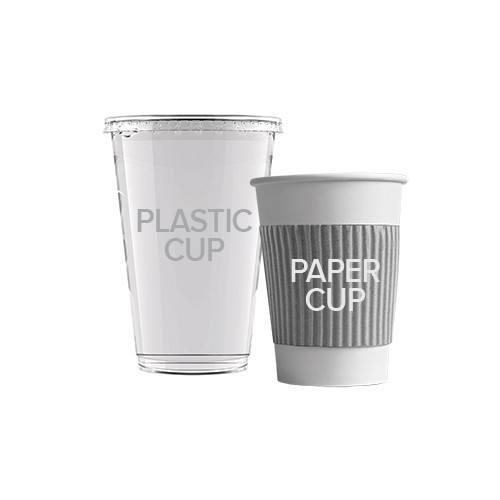
Cups (Paper and/or Plastic)
Some communities can include certain types of plastic cups (to-go, takeout, or fast food) and paper cups in recycling. Cups should be empty, clean, and dry.
Cleveland has curbside recycling of paper cups and plastic to-go cups. The city also has drop-off locations. Items must be empty, clean, and dry. Discard lids and straws.
Division of Waste Collection: 5600 Carnegie Avenue, Cleveland
Ridge Road Transfer Station: 3727 Ridge Road, Cleveland
In some communities, certain types of plastic cups are accepted for recycling. Plastic cups are a single-use product mainly for cold beverages. Acceptable plastic cups include to-go, takeout, or fast-food cups. Additionally, in some communities, paper cups for hot and cold beverages are also accepted.
Which recycling processors can accept some types of plastic cups and paper cups?
Residents served by Republic Services, Rumpke Waste & Recycling, and WM can include some types of plastic cups and paper cups in their curbside recycling.
Kimble Companies does not accept plastic cups or paper cups for recycling.
Find out which recycling processor serves your community by allowing location services or using the green ‘Select a City’ drop-down at the top of every page and clicking ‘See Details.’
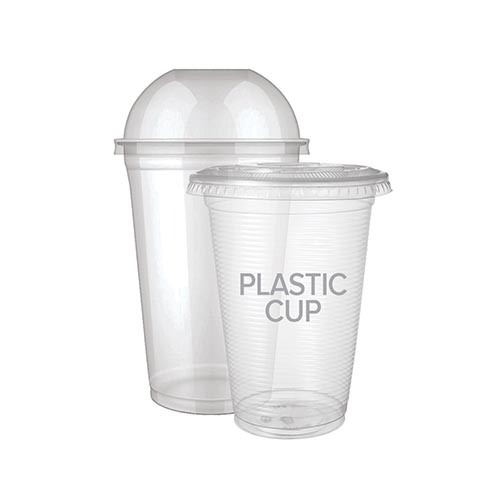
Tips to recycle PLASTIC TO-GO, TAKEOUT, OR FAST FOOD BEVERAGE CUPS:
- Must be empty, clean, and dry before being placed in recycling.
- Remove straws and place them in the trash. Plastic lids can stay on plastic cups.
- Do not nest or stack cups together before recycling.
Do not place COMPOSTABLE plastic cups in curbside recycling. These types of products must be processed at a commercial composting facility. See more information.
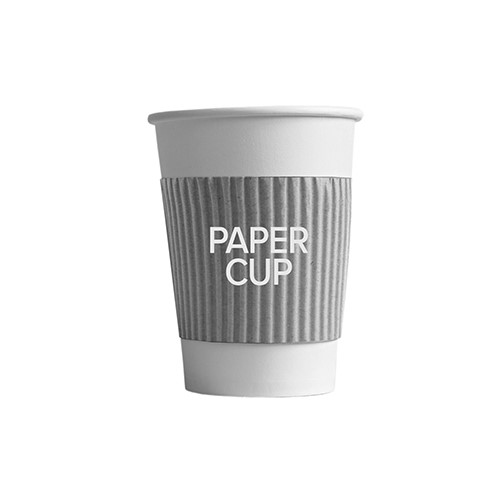
Tips to recycle PAPER BEVERAGE CUPS:
- Must be empty, clean, and dry before being placed in curbside recycling.
- Remove plastic lids and straws. Place in the trash. No plastic lids on paper cups.
- Do not nest or stack cups together before recycling.
What types of cups are not accepted?
No plastic party cups such as Solo, Dixie, Hefty, Great Value, Up & Up, or other brands. Place these cups in the trash or use a mail-back recycling program.
No Styrofoam or polystyrene cups, glass, or ceramic cups and mugs. Do not place K-Cups or coffee pods in the recycling. COMPOSTABLE plastic cups must be processed at a commercial composting facility. See more information.
What about other plastics? Can all plastics be recycled?
In Cuyahoga County, all communities can include plastic bottles or jugs in curbside recycling. Plastic bottles and jugs must be empty, clean, and dry before recycling. The container should have a “neck” and have a diameter of 2" or more. See more about plastic bottles and jugs.
Some communities can include clear plastic clamshells and plastic tubs in recycling. See details about managing other plastics.
Why is recycling plastic so challenging?
There is an abundance of plastic packaging in our society today. Currently, about 9% of it can be recycled. This is due to limited markets for recycled plastic - not all manufacturers produce packaging from recycled plastic - and the complexities of sorting, processing, and recycling the various kinds of plastic.
Plastic is a synthetic (man-made) material. Most plastic material is a derivative of crude oil and natural gas, which are non-renewable resources. Plastic products are often a polymer resin mixed with a blend of additives.
Plastic products are created through thermoforming and blow molding. Earth911 explains the differences between the processes, including how they are chemically different and melt at different temperatures, and how that affects recyclability.
Most plastic placed in curbside recycling bins is downcycled. This means it is turned into lower-quality products such as fibers for clothing, carpeting, polyfill in pillows, winter coats, and other goods. Only a small percentage is recycled into new bottles and containers. Read more about downcycling.
NPR published a project in 2019 that explains plastic recycling.
What are our alternatives?
We can choose to reduce our consumption of single-use plastic. Small changes add less plastic waste to our landfills and our environment. Consider these ideas for reducing waste.
Until there is a major shift in the demand for recycled plastic and more sensible packaging design, consumers are limited in their recycling options.
---
Looking to recycle, donate, or dispose of other items? Use the dark blue 'What Do I Do With?' search bar at the top of every page of this website. Allow location services or use the city drop-down to find opportunities in your local area.